
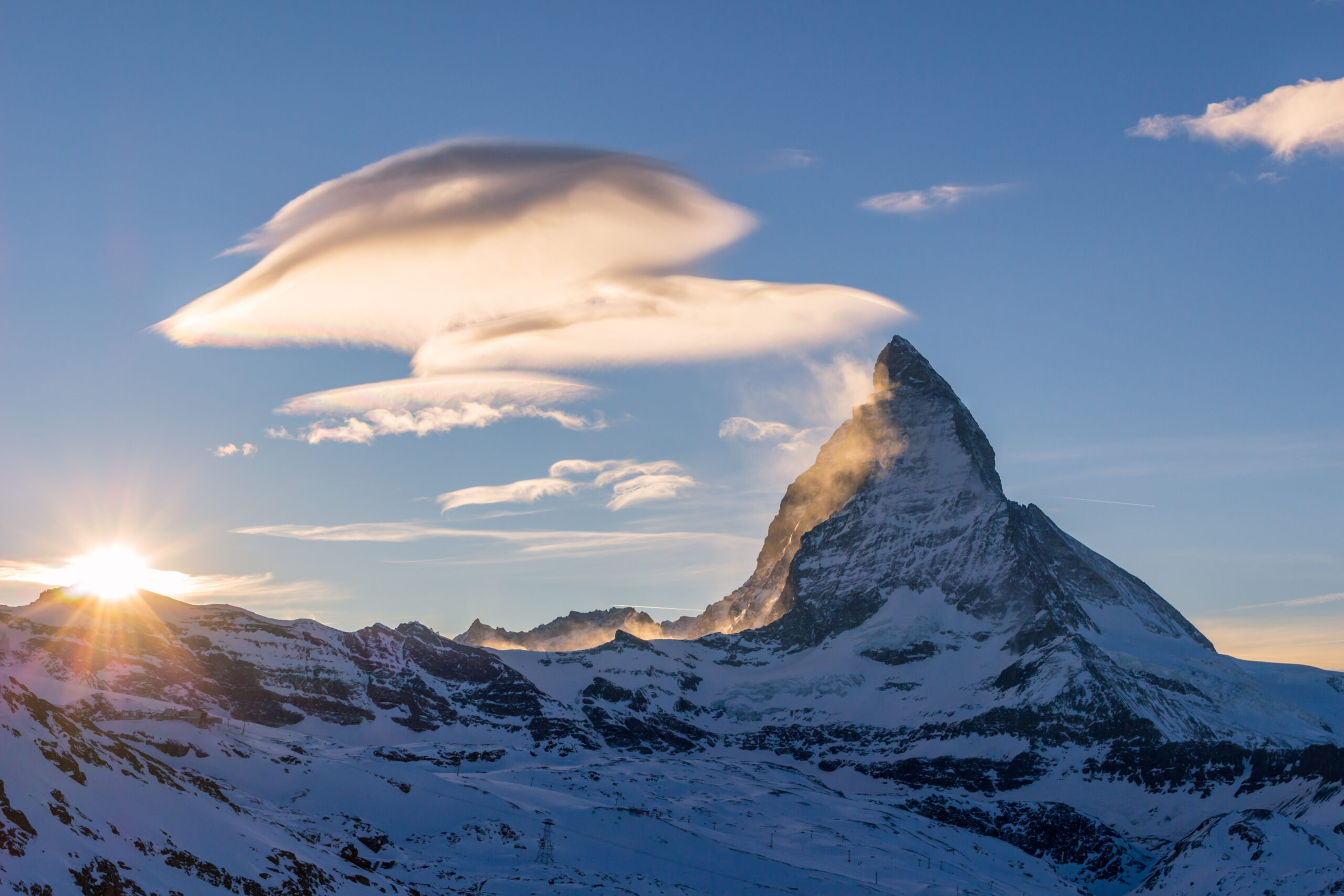
Visiting Zermatt is not just about choosing a destination; it’s about understanding the rhythm of the mountains. The Zermatt Matterhorn is a landscape defined by its seasons, and the experiences you enjoy—from skiing to hiking to alpine dining—are deeply tied to timing. Knowing when to visit transforms a trip from ordinary to memorable, allowing guests to align with the natural flow of the environment and local culture.
Winter: Precision and Powder
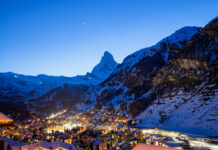
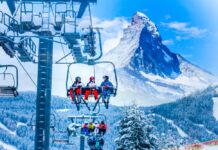
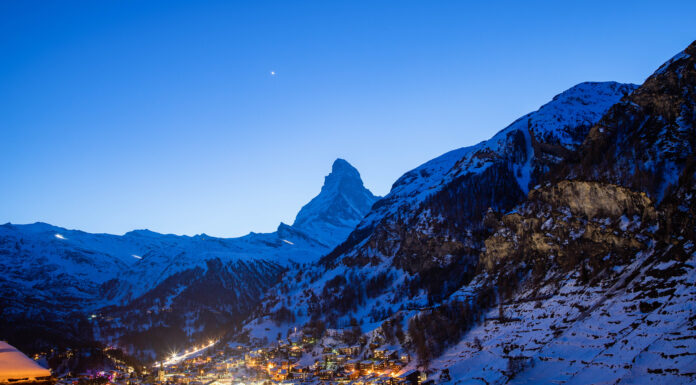
Winter is the classic season for Zermatt. Snow blankets the peaks, creating the conditions that make skiing legendary. For enthusiasts, this is when the Zermatt Matterhorn truly comes alive, with expertly maintained pistes, heli-skiing options, and winter sports events. The crisp alpine air, early sunsets, and soft snow transform the town into a hub of structured activity.
Visitors staying at Zermatt hotels during this season benefit from proximity to ski lifts and convenient access to winter dining experiences. Meals are hearty, designed to sustain energy for long days outdoors. Even casual walks through the village reveal traditions rooted in winter survival and alpine hospitality.
Winter is also ideal for those who value precision and routine. Everything in Zermatt—from transportation to ski operations—is optimized for efficiency during the snowy months. Guests can plan days with reliability and enjoy predictable access to winter-focused services.
Spring: Transition and Renewal
Spring introduces a quieter rhythm. Snow recedes at lower altitudes, revealing alpine meadows, streams, and early blooms. Trails open for hiking, and the Zermatt Matterhorn shows a different side—less about powder and more about texture, contrast, and renewal.
For visitors who prefer a balance between activity and contemplation, this season offers fewer crowds while maintaining access to essential services. Zermatt hotels adapt their offerings to reflect the shift: lighter meals, outdoor terraces, and opportunities for nature observation. Spring is perfect for those who want to combine alpine beauty with calm and reflection.
Summer: Hiking, Clarity, and Exploration
Summer in Zermatt is defined by clarity. Trails are fully open, cable cars reach high altitudes, and the Zermatt Matterhorn stands sharply against blue skies. Activities expand beyond skiing to climbing, trekking, and guided excursions. Local gastronomy focuses on seasonal produce, offering fresh, light, and restorative meals after long days outdoors.
Hotels adjust to the pace of summer, emphasizing comfort, exploration, and social spaces where guests can gather to discuss daily adventures. Summer is ideal for visitors seeking immersion in alpine life and a close connection to both people and the landscape.
Autumn: Reflection and Preparation
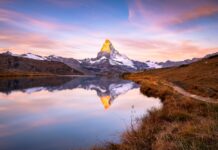
Autumn is understated but significant. The town slows down, colors shift, and the mountains prepare for winter. Trails remain accessible, but the focus shifts to reflection, short excursions, and wellness. Meals become richer, celebrating harvest and tradition, while hospitality emphasizes restoration and preparation for the coming season.
Visiting in autumn offers a nuanced experience: fewer crowds, opportunities to engage with locals, and a deeper understanding of Zermatt’s seasonal rhythm. This is a time to appreciate the culture and structure behind the mountain town, beyond adrenaline-driven activities.
Choosing Your Season
The best season depends on what a visitor values most:
- Winter for skiing, snow reliability, and structured adventure
- Spring for quiet reflection and early blooms
- Summer for clarity, hiking, and full exploration
- Autumn for cultural depth, calm, and seasonal preparation
Understanding seasonal differences helps ensure stays at Zermatt hotels align with expectations. It also allows visitors to engage meaningfully with local culture, activities, and hospitality, creating an experience that is both practical and memorable.
The Zermatt Matterhorn is more than a peak; it is a seasonal organizer, dictating the rhythm, activities, and overall tone of a visit. Aligning with its natural cycles transforms a trip from mere sightseeing into a deep engagement with the alpine environment.